
Performance Max in 2026: What Canadian Small Businesses Actually Need to Know
- Mauricio Martinez
You log into Google Ads and there it is: “Upgrade to Performance Max for better results.” Your Google rep pushes it. Every agency recommends it. But you’ve heard the horror stories. Wasted budgets on random YouTube pre-rolls. Display ads showing up on sketchy websites. Search traffic you used to get organically now costing $8 per click.
Performance Max campaigns launched in 2021 as Google’s AI-powered, all-in-one campaign type. For three years, advertisers called it a black box. You fed in budget and creative assets, Google’s algorithm distributed ads across Search, YouTube, Display, Discovery, Gmail, and Maps, and you hoped for conversions. That changed dramatically in 2025 and 2026.
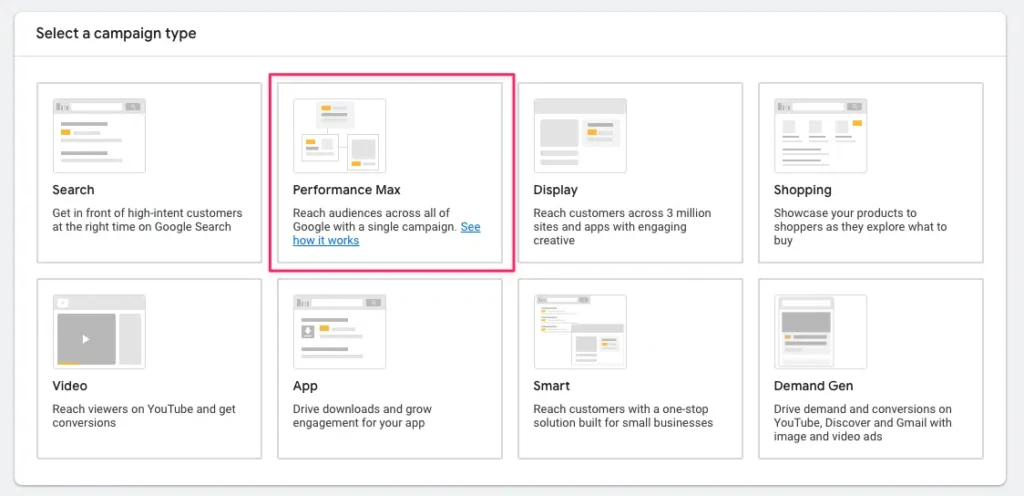
Where Performance Max ads appear: Performance Max serves ads across all Google properties including Search results when people type queries, YouTube as pre-roll and in-stream video ads, Display Network across 35 million websites and apps, Discover feed on mobile devices, Gmail as sponsored promotions in inboxes, and Maps when users search for local businesses. A single Performance Max campaign can show your ad in all these places simultaneously, letting Google’s algorithm decide which placement works best for each potential customer.
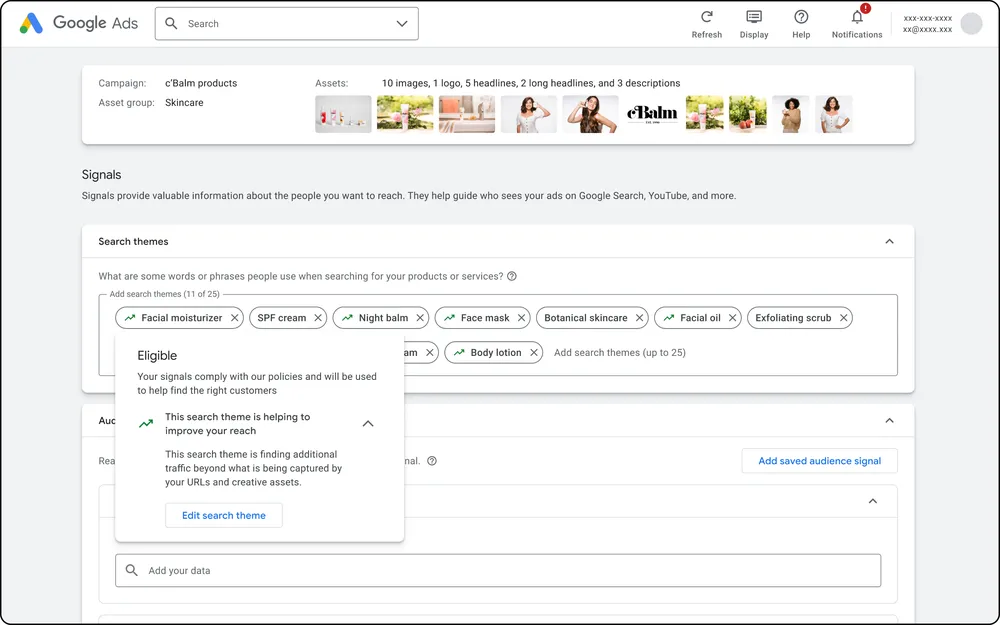
Google rolled out campaign-level negative keywords, channel performance reporting, search themes with usefulness indicators, and asset group segmentation. Performance Max is no longer a black box. It’s more like a grey box with windows. This guide breaks down what Canadian SMBs actually need to know in 2026.
What Changed in 2026
Google rolled out four major updates that make Performance Max actually usable. Campaign-level negative keywords let you exclude search terms, finally. Channel performance reporting shows exactly how much budget went to Search versus YouTube versus Display. Search themes with usefulness indicators tell you if your added queries drive incremental traffic or if Performance Max would find them anyway. Asset group segmentation breaks down performance by device, time, and location instead of showing only aggregate data. These updates don’t make Performance Max as controllable as Search campaigns, but they reduce the black box problem significantly.
The Three Biggest Risks
Location Targeting Defaults Cost You Money
Performance Max targets people physically in your location OR interested in your location by default. A Vancouver plumber wastes budget on Toronto residents Googling “Vancouver plumbers” before moving. Always change Campaign Settings to Location Options to “Presence: People in or regularly in your targeted locations.” This one setting prevents 15-25% waste for local businesses.
Branded Traffic Cannibalization
Performance Max shows ads when someone searches your business name, even though you rank #1 organically. You pay $6-$12 for a click you’d get free. Use campaign-level negative keywords to exclude your brand name, common misspellings, and brand plus location immediately after launch.
Algorithm Needs Conversion Volume
Performance Max requires 30+ conversions monthly minimum. If you’re spending $1,500/month at $80 per lead, that’s only 18 conversions. Not enough data for the algorithm to learn. Canadian CPCs in competitive verticals hit $8-$17 for legal, $5-$12 for home services, making every wasted click expensive.
Setup That Actually Works
Set purchases and lead submissions as “Primary” conversions, not newsletter signups or PDF downloads. The algorithm optimizes for easy conversions unless you tell it what matters. Build asset groups by theme, not one pile of everything. A Vancouver digital agency should have separate asset groups for SEO services, PPC management, and web design, each with 3-5 themed headlines and 5+ images. Use 25km radius targeting around your office for local services, not city names. Exclude areas you don’t serve. Add brand name negative keywords immediately to stop paying for organic traffic you’d get free.
When Performance Max Makes Sense
Performance Max solves specific problems. If you don’t have one of these problems, stick with Search.
Problem 1: You’ve hit a Search ceiling. Budget goes up, clicks don’t. There’s no more search demand to capture. PMax extends your reach to YouTube, Display, Discover, Gmail, and Maps where people haven’t searched yet but match your audience signals.
Problem 2: Search CPCs are killing your margins. You have a landing page that converts, but the cost per click in your industry makes every lead unprofitable. PMax can find those same people at a lower effective cost through non-Search placements.
Problem 3: You need reach, not leads. Your goal is brand awareness across as many relevant touchpoints as possible, not direct response. PMax’s cross-channel distribution handles this well.
Bonus use case: Use PMax to replace dedicated brand Search campaigns. Your brand terms still get covered through Search placements, plus you pick up impressions across Gmail, YouTube, and Discover without additional budget.
The Strategy That Actually Works
Here’s what most Performance Max guides won’t tell you: PMax is not good at finding new customers from scratch. Cold traffic campaigns consistently produce low-quality leads and irrelevant impressions. Where PMax excels is brand reinforcement and remarketing, showing your ads to people who already know you across YouTube, Gmail, Display, and Discover.
The one exception is product-specific e-commerce. If you sell physical products and build tightly themed asset groups around specific items (“women’s waterproof hiking boots size 8”), PMax’s Shopping placements perform well. But for service businesses running broad asset groups, the algorithm quickly drifts into irrelevant territory.
What we run at Latin Launch:
Search campaigns for acquisition. High-intent, non-branded keywords with exact and phrase match. Full control over what triggers your ads.
PMax for brand plus remarketing. Brand search themes plus remarketing audiences. Your budget mostly goes to Search for branded queries, with bonus touchpoints on YouTube, Gmail, and Discover for people already in your funnel.
Weekly monitoring, monthly deep audits. Search terms, channel allocation, geo targeting, and lead quality compared across campaign types.
At Latin Launch, we set up Performance Max campaigns that actually perform. We audit current Google Ads to identify quick wins, build properly structured asset groups, configure location targeting for local service areas, and implement monthly optimization catching wasted spend.
Ready to test Performance Max the right way? Book a free 20-minute PPC strategy call. We’ll review your setup and show you exactly where Performance Max fits.
Explore More Articles